






What Wine Lovers Should Know About Georgia Wineries
For serious wine lovers exploring regional wine tourism, the Southeast has evolved far beyond basic sweet native varietals. Today, Georgia wineries compete on the national stage by producing complex, estate-grown European vitis vinifera. The unique microclimates of the Blue Ridge foothills provide the elevation, sun exposure, and drainage necessary to craft world-class bottles.
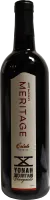
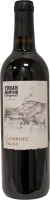
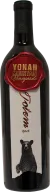
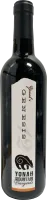
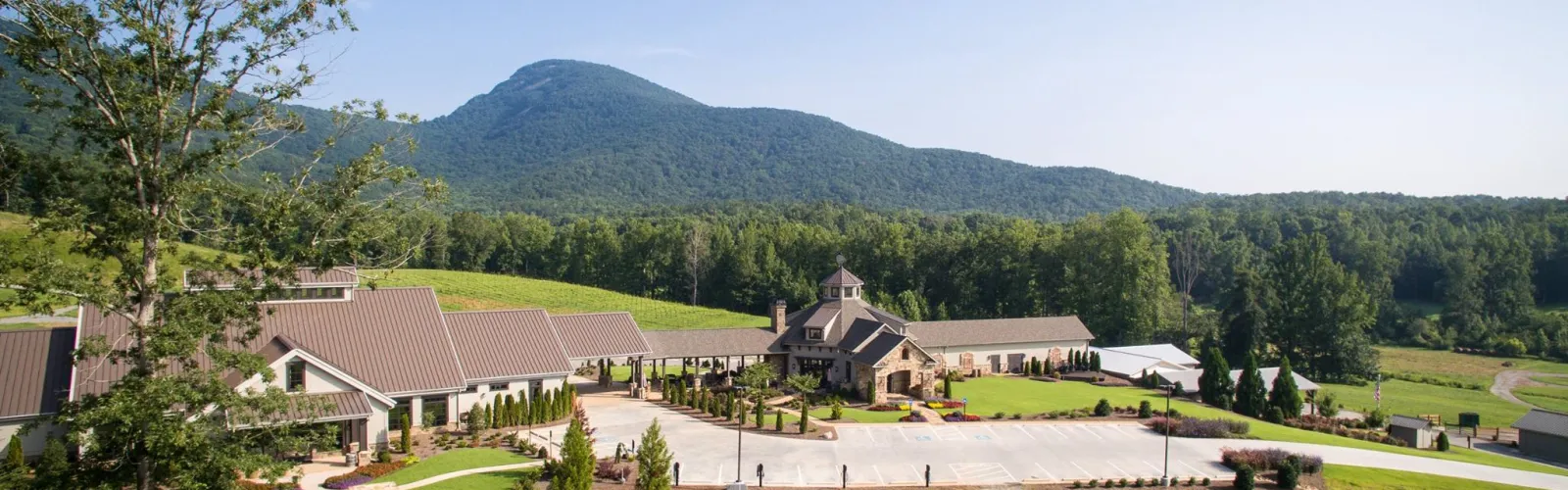
At the forefront of this evolution is Yonah Mountain Vineyards in Cleveland, Georgia. Spanning 200 rolling acres beneath the iconic face of Mount Yonah, the estate sets the regional benchmark for tasting depth, quality farming, and cellar craftsmanship.
If you are planning an authentic wine tasting getaway, here is what you need to know to evaluate Georgia wine destinations for true quality.
1. Look for Dedicated Estate-Grown Vitis Vinifera
Not all wine tasting stops are created equal. Serious enthusiasts should prioritize estates that plant and cultivate classic European varietals directly on their own land.
What sets top vineyards apart:
- Focus on Bordeaux Grapes: Sandy loam soils and warm hillside slopes support thriving blocks of Cabernet Sauvignon, Cabernet Franc, Merlot, Petit Verdot, and Malbec.
- High Elevation Site Selection: Plantings on mountain slopes benefit from steady air circulation that protects vines from excess moisture.
2. Evaluate Underground Aging and Cellar Standards
Fine wine requires precise temperature and humidity control during the aging process. The way a winery ages its barrels speaks volumes about its commitment to quality.
Why cellar design matters:
- Authentic Wine Caves: Yonah Mountain Vineyards is home to the only known underground wine caves in Georgia, providing natural climate stability.
- Premium Oak Selection: Maturing wines in authentic French oak barrels introduces refined tannins, subtle vanilla notes, and long-aging potential.
- Cave Tours: Serious wine lovers can book behind-the-scenes walking tours to sample reserve vintages straight from the barrel.
3. Seek Out Tasting Flights With True Structure and Dry Profiles
While regional fruit wines remain common in tourist towns, the best wineries in Georgia focus heavily on dry, structured wines built for cellaring and food pairing.
What to look for on the tasting menu:
- Deep, Tannic Reds: Pours of estate Tannat, Malbec, and Cabernet Sauvignon with balanced acidity and strong backbone.
- Crisp, Balanced Whites: Expressive whites like stainless-steel fermented Chardonnay, aromatic Sauvignon Blanc, and rich Petit Manseng.
- Guided Educational Tastings: Look for seated tastings hosted by trained wine educators who can discuss wine's finer complexities.
4. Prioritize Vineyard Terroir and Scenic Setting
A world-class tasting experience combines fine wine with a sense of place. The setting should connect the glass in your hand to the land where the grapes grew.
Key setting elements at Yonah Mountain Vineyards:
- Dramatic Mountain Views: Unobstructed vistas of Mount Yonah towering over the vine rows.
- Expansive Estate Grounds: Over 200 acres of preserved foothills offering quiet, natural surroundings away from commercial highway noise.
- Thoughtful Architecture: A grand tasting room featuring an octagonal tasting bar, local artwork, and a covered stone fireplace terrace overlooking the vines.
5. Check for Serious Winemaking Transparency
Great wineries are proud of their process and welcome deep technical questions from educated guests.
Questions to ask during your visit:
- Which specific vineyard blocks did the fruit come from?
- What percentage of new oak was used, and how many months did the wine age in the barrel?
- How does the current vintage compare to previous years in terms of weather patterns and harvest yield?
Tips for Planning a Serious Tasting Route
- Reserve Tours in Advance: Exclusive owners' and underground cave tours have limited availability and book quickly on weekends.
- Allocate Ample Time: Allow at least 90 minutes per estate to properly experience guided flights without rushing.
- Visit During Shoulder Seasons: Late spring and winter offer quiet tasting rooms where educators and winemakers have more time for in-depth conversations.
